What Are Vitamins? A Beginner’s Guide to Essential Nutrients
When it comes to maintaining good health, vitamins play a crucial role in helping our bodies function properly. Although they are needed in small amounts, vitamins are essential nutrients that support everything from energy production and immune function to healthy skin, bones, and organs.
In this guide, we’ll explore what what vitamins are, why they are important, and how you can ensure you’re getting enough of them through a healthy diet.

What Are Vitamins?
Vitamins are organic compounds that your body needs to perform various vital functions. Unlike carbohydrates, proteins, and fats, which provide energy and serve as building blocks, vitamins help regulate many biological processes that keep you healthy.
Since the body cannot produce most vitamins in sufficient amounts on its own, they must be obtained through food or dietary supplements.
Why Are Vitamins Important?
Vitamins support numerous functions throughout the body, including:
Strengthening the immune system
Supporting growth and development
Helping convert food into energy
Supporting brain and nervous system function
Promoting string bones and teeth.
Assisting in wound healing and tissue repair
Without adequate vitamin intake, the body may develop deficiencies that can lead to various health problems.
The Two Main Types of Vitamins
Vitamins are divided into two categories:
Fat-Soluble Vitamins
These vitamins are stored in the body’s fatty tissues and liver.
The fat-soluble vitamins include:
Vitamin A
Vitamin D
Vitamin E
Vitamin K
Because they can be stored in the body, they do not need to be consumed very day.
Water-Soluble Vitamins
These vitamins dissolve in water and are not stored in large amounts.
The water-soluble vitamins include:
Vitamin C
B-complex vitamins:
B1 (Thiamine)
B2 (Riboflavin)
B3 (Niacin)
B5 (Pantothenic Acid)
B6 (Pyridoxine)
B7 (Biotin
B9 (Folate)
B12 (Cobalamin)
Because excess amounts are usually excreted through urine, regular intake is important.
Common Vitamins and Their Benefits
Vitamin A
Vitamin A supports vision, immune health, skin health, and cell growth.
Food sources include:
Liver
Carrots
Sweet potatoes
Spinach
Eggs
Vitamin C
Vitamin C is a powerful antioxidants that helps support immunity and collagen production.
Food sources include:
Oranges
Strawberries
Kiwi
Bell peppers
Broccoli
Vitamin D
Vitamin D helps the body absorb calcium and supports strong bones and teeth.
Food sources include:
Fatty fish
Egg yolks
Fortified dairy products
The body can also produce vitamin D when the skin is exposed to sunlight.
Vitamin E
Vitamin E protects cells from oxidative damage and supports immune function.
Food sources include:
Almonds
Sunflower seeds
Avocados
Vegetable oils
Vitamin K
Vitamin K is essential for blood clotting and bone health.
Food sources include:
Kale
Spinach
Broccoli
Brussels sprouts
B Vitamins
The B-vitamin family helps the body produce energy, supports brain function, and assists in red blood cell formation.
Food sources include:
Whole grains
Meat
Fish
Eggs
Dairy products
Legumes

Signs of Vitamin Deficiency
A lack of vitamins can lead to various symptoms, depending on which nutrient is missing.
Common signs may include:
Fatigue and low energy
Frequent illness
Dry skin
Hair loss
Poor wound healing
Weak bones
Mood changes
Difficulty concentrating
If you suspect a deficiency, consult a healthcare professional for proper testing and guidance.
Can You Get Enough Vitamins from Food?
For most people, a balanced diet rich in fruits, vegetables, whole grains, lean proteins, and healthy fats provides the vitamins needed for good health.
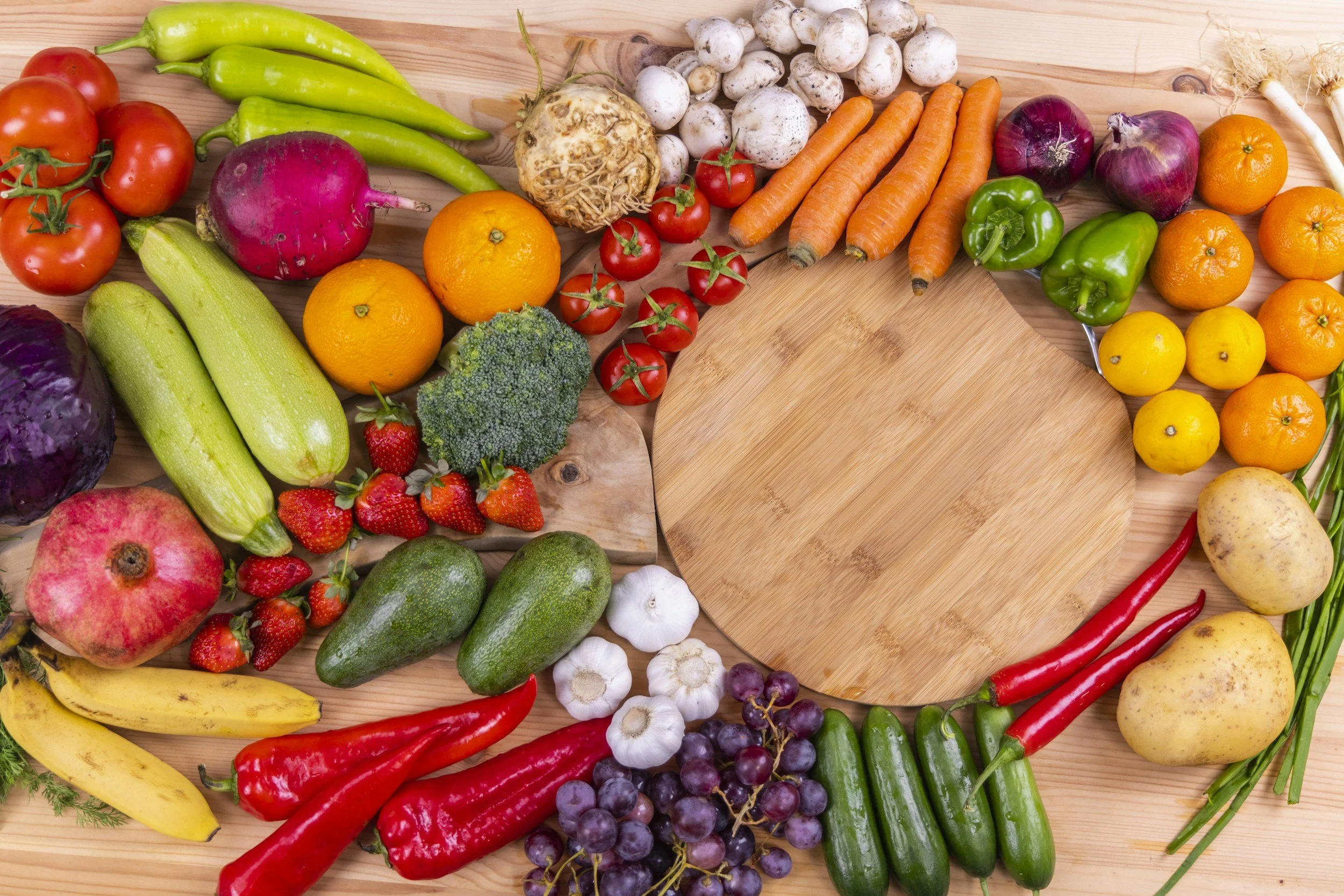
Focus on eating a variety of colourful foods to maximize nutrient intake. Different foods provide different vitamins, making dietary diversity important.
Should You Take Vitamin Supplements?
Vitamin supplements can help fill nutritional gaps, but they should not replace a healthy diet.
Some individuals who may benefit from supplements include:
Older adults
Pregnant women
People with restricted diets
Individuals with certain medical conditions
People with diagnosed nutrient deficiencies
Before starting any supplement, it’s wise to consult a healthcare provider.
Final Thoughts
Vitamins are essential nutrients that help your body function, grow, and stay healthy. From supporting your immune system and energy levels to maintaining strong bones and healthy skin, vitamins play a role in nearly every aspect of wellness.
The best way to meet your vitamin needs is through a balanced, nutrient-rich diet filled with whole foods. By understanding the importance of vitamins and making healthy food choices, you can support your long-term health and wellbeing.