Protein 101: Why Your Body Needs It and How Much You Really Need
Protein is often associated with bodybuilders and athletes, but the truth is that everyone needs protein to stay healthy. From building muscles and repairing tissues to supporting your immune system and keeping you feeling full, protein plays a critical role in nearly every function of the body.
Whether you’re trying to improve your diet, lose weight, gain muscle, or simply maintain good health, understanding protein can help you make smarter nutrition choices.

What Is Protein?
Protein is one of the three macronutrients your body needs, alongside carbohydrates and fats. It is made up of smaller units called amino acids, which are often referred to as the building blocks of life.
Your body uses amino acids too build and repair muscles, organs, skin, hair, hormones, enzymes, and other important tissues. While your body can produce some amino acids on its own, there are none essential amino acids that must come from the foods you eat.
Muscle Growth and Repair
Protein helps repair damaged muscle fibres after physical activity and supports the growth of new muscle tissue. This makes it especially important for active individuals, athletes, and older adults.
Supports Weight Management
Protein is highly satisfying and helps you feel fuller for longer. Including protein-rich foods in meals may help reduce hunger and support healthy weight management.
Strengthens the Inmmune System
Many antibodies and immune cells are made from protein. Consuming enough protein helps your body defend itself against illness and infection.
Maintains Healthy Hair, Skin and Nails
Proteins such as collagen and keratin are essential for healthy skin, string nails, and shiny hair.
How Much Protein Do You Need?
Protein needs vary based on age, activity level, healthy goals, and overall lifestyle.
General recommendations include:
Sedentary adults: Approximately 0.8 grams of protein per kilogram of body weight.
Active adults: 1.2-2.0 grams per kilogram of body weight.
Athletes and strength trainers: 1.6-2.2 grams per kilogram of body weight.
Older adults: Often benefit from higher protein intake to help preserve muscle mass.
For example, a person weighting 70 kg (154 pounds) may need anywhere from 56 to 140 grams of protein daily, depending on their activity level.
Best Sources of Protein
Animal-Based Protein Sources
Animal proteins contain all nine essential amino acids and are considered complete proteins.
Examples include:
Chicken breast
Turkey
Lean beef
Fish and seafood
Eggs
Greek yogurt
Cottage cheese
Milk
Plant-Based Protein Sources
Plant proteins can also provide excellent nutrition and are often rich in fibre and antioxidants.
Examples include:
Lentils
Chickpeas
Black beans
Tofu
Tempeh
Edamame
Quinoa
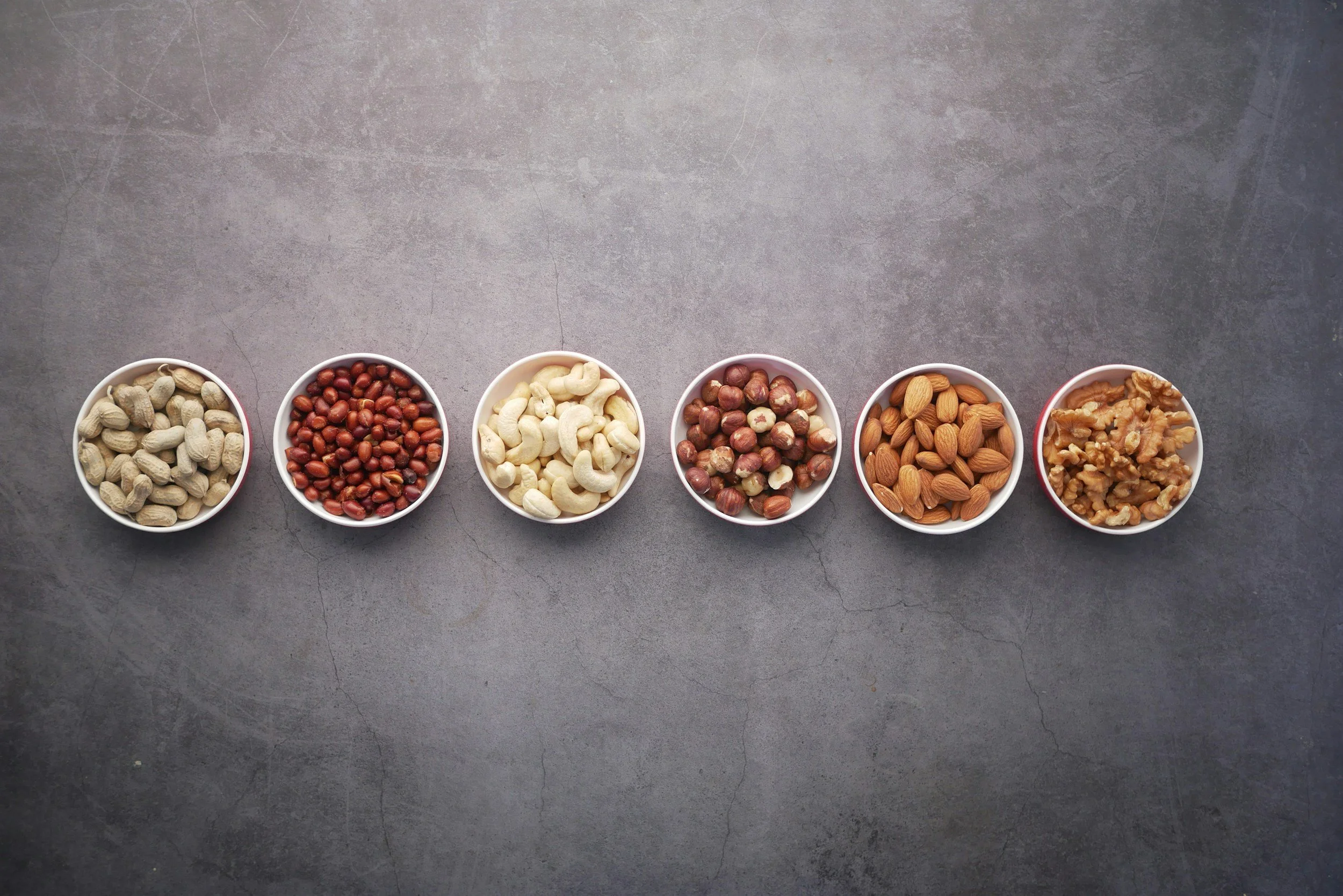
Nuts and seeds
Combining different plant-based proteins throughout the day can help ensure you get all essential amino acids.

Signs You May Not Be Getting Enough Protein
Protein deficiency in uncommon is developed countries, but some people may still consume less than optimal amounts.
Possible signs include:
Increased hunger
Loss of muscle mass
Fatigue or low energy
Slow recovery after exercise
Weak hair or brittle nails
Frequent illness
If you notice these symptoms, evaluating your protein intake may be worthwhile.
Common Protein Myths
Myth 1: Only Athletes Need Protein
Everyone needs protein for basic body functions, regardless of activity level.
Myth 2: More Protein is Always Better
While protein is important, balance matters. Excessive protein intake may not provide additional benefits for most people.
Myth 3: Plant Proteins Are Inferior
Plant-based protein sources can provide all nutrients needed for excellent health when consumed as part of a balanced diet.
Simply Ways to Add More Protein to Your Diet
If you’re looking to increase your protein intake, try these simpel tips:
Add eggs to breakfast
Include Greek yogurt as a snack
Choose lean protein at every meal
Add beans and lentils to soups and salads
Snack on nuts and seeds
Blend protein-rich ingredients into smoothies.
Small changes can make a big difference over time.
Final Thoughts
Protein is an essential nutrient that supports muscle growth, immune function, healthy aging, and overall wellness. By including a variety of high-quality protein sources in your diet, you can help your body perform at its best and support your long-term health goals.
Whether you prefer animal-based or plant-based foods, making protein a priority is one of the simplest and most effective ways to improve your nutrition and overall well-being.