What Are Fats? Understanding Their Role in a Healthy Diet
For years, fats have been one of the most misunderstood nutrients in nutrition. Many people associate fat with weight gain and poor health, but the truth is that fats are an essential part of a healthy diet. In fact, your body relies on fats for energy, hormone production, brain function, and the absorption of important vitamins.
Understanding what fats are and how they affect your health can help you make better food choices and build a balanced diet.

What Are Fats?
Fats are one of the three macronutrients your body needs, alongside carbohydrates and protein. They provide a concentrated source of energy, supplying 9 calories per gram, compared to 4 calories per gram for carbohydrates and protein.
Dietary fats are found in a wide variety of foods, including oils, nuts, seeds, avocados, dairy products, fish and meat. Once consumed, fats are broken down and used by the body for numerous essential functions.
Why Does Your Body Need Fat?
Fat plays several important roles in maintaining overall health.
Provides Energy
Fat serves as a long-term energy source. When your body doesn’t need immediate energy from carbohydrates, it stores excess energy as fat for future use.
Supports Brain Health
The brain is composed largely of fat, making dietary fats important for cognitive function, memory, and overall brain health.
Helps Absorb Vitamins
Certain vitamins are fat-soluble, meaning they require fat to be properly absorbed by the body. These include:
Vitamin A
Vitamin D
Vitamin E
Vitamin K
Without adequate fat intake, your body may struggle to absorb these essential nutrients.
Supports Hormone Production
Fats help produce hormones that regulate growth, metabolism, reproduction, and other important bodily functions.
Protects Organs
Body fat cushions and protects vital organs such as heart, kidneys, and liver from injury.

Types of Dietary Fats
Not all fats are the same. Some fats provide significant health benefits, while others should be limited.
Unsaturated Fats
Unsaturated fats are generally considered the healthiest type of fat. They can help support heart health and may improve cholesterol levels.
Monounsaturated and Polyunsaturated Fats: What’s the Difference?
There are two main types of healthy unsaturated fats: monounsaturated fats and polyunsaturated fats. Both are good for your body and can be included as part of a healthy, balanced diet.
Monounsaturated Fats
Monounsaturated fats can help keep your heart healthy and support normal cholesterol levels. You can find them in foods like:
Olive oil
Avocados
Almonds
Cashews
Peanuts
Polyunsaturated Fats
Polyunsaturated fats include omega-3 and omega-6 fats, which your body needs but cannot make on its own. These healthy fats help your brain, heart, eyes, and immune system work properly. Good sources include:
Salmon
Sardines
Walnuts
Flaxseeds
Chia seeds
Eating a variety of these healthy fats can help your body grow, stay healthy, and give you energy for everyday activities.
Saturated Fats
Saturated fats are typically found in animal products and some tropical oils.
Sources include:
Butter
Cheese
Whole milk
Fatty cuts of meat
Coconut oil
Current nutrition guidelines suggest consuming saturated fats in moderation as part of a balanced diet.
Trans Fats
Trans fats are considered the least healthy type of fat. They can raise LDL (“bad”) cholesterol and lower HDL (“good”) cholesterol.
Common sources include:
Some processed baked goods
Fried foods
Foods containing partially hydrogenated oils
Many countries have restricted or banned the use of industrial trans fats because of their negative health effects.
Best Sources of Healthy Fats
If you’re looking to include more healthy fats in your diet, consider adding:
Avocados
Olive oil
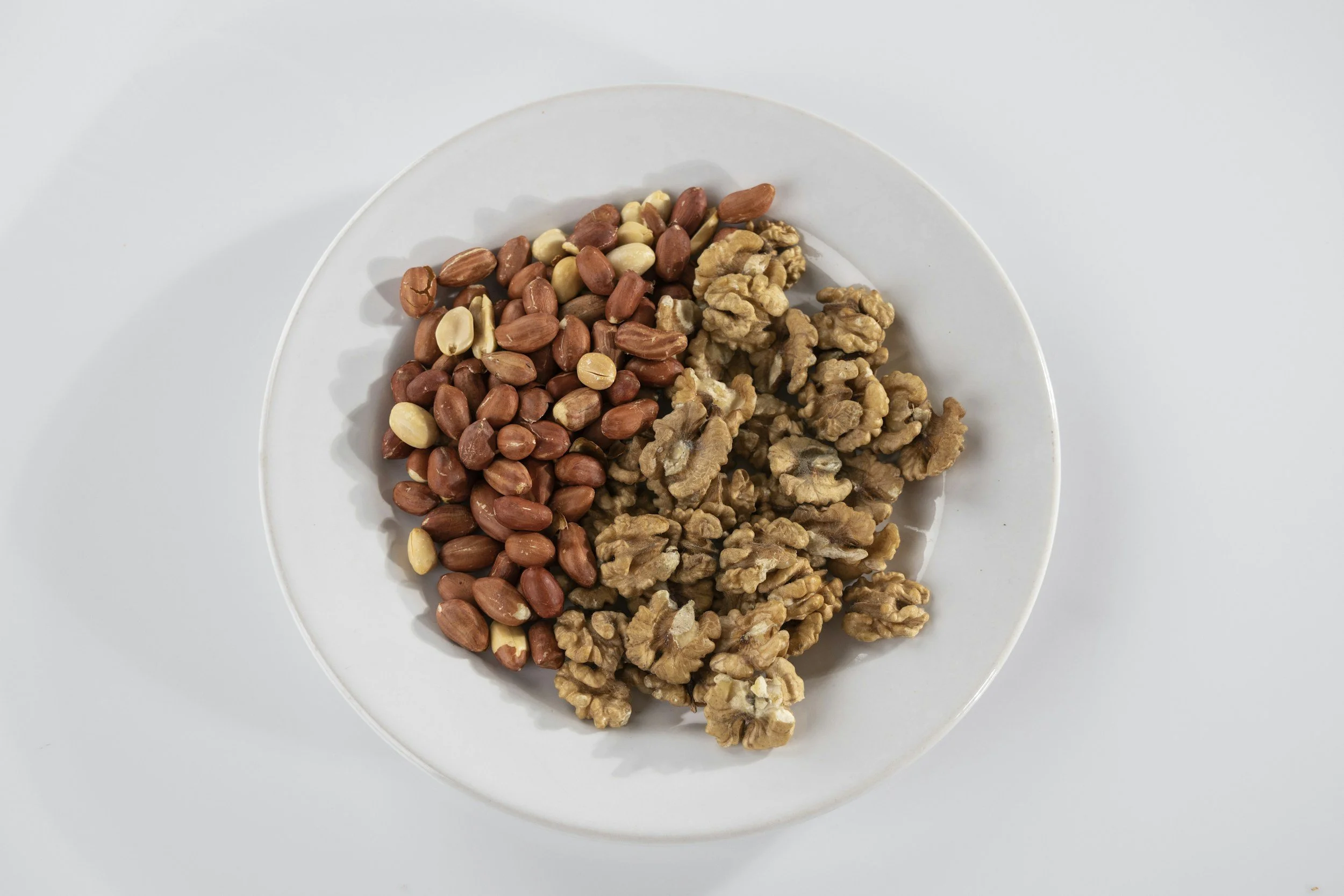
Nuts and seeds
Nut butters
Fatty fish
Chia seeds
Flaxseeds
Olives
Edamame
These foods provide beneficial fats along with vitamins, minerals, fibre, and antioxidants.
Can Eating Fat Make You Gain Weight?
Weight gain occurs when you consistently consume more calories than your body uses, regardless of whether those calories come from fat, carbohydrates, or protein.
Because fat is calorie-dense, portion size is important. However, healthy fats can actually help promote fullness and satisfaction, making it easier to maintain a balanced eating pattern.
Common Myths About Fat
Myth 1: All Fat Is Bad
False. Healthy fats are essential for overall health and should be included in a balanced diet.
Myth 2: Eating Fat Automatically Causes Weight Gain.
False. Weight gain is influenced by total calorie intake and lifestyle factors, not fat alone.
Myth 3: Low-Fat Diets Are Always Healthier
False. Many low-fat products contain added sugars and highly processed ingredients. Quality matters more than simply reducing fat.
Tips for Choosing Healthier Fats
Use olive oil instead of highly processed oils when possible.
Eat fatty fish at least twice per week.
Snacks on nuts and seeds in moderation.
Add avocado to salad and sandwiches
Limit foods high in trans and heavily processed ingredients
Focus on whole, minimally processed foods.
Final Thoughts
Fats are an essential nutrient that plays a vital role in energy production, hormone balance, brain function, and overall health. Rather than fearing fat, focus on choosing nutrient-rich sources of healthy fats while limiting heavily processed foods that contain unhealthy fats.
By understanding the different types of fats and their functions in the body, you can make informed choices that support long-term health and well-being.